Lakeland University
Played four years of college football and earned all-conference recognition as a defensive end.
ABOUT / COACH SAM BARTLETT
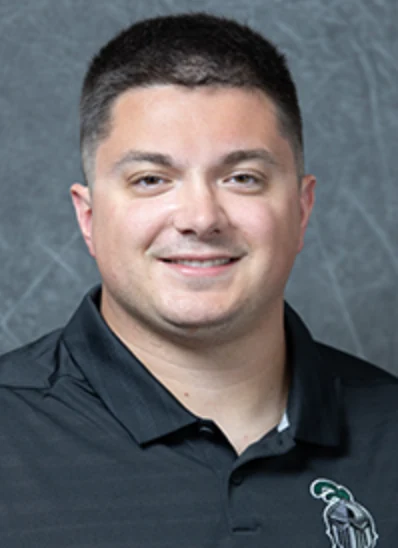
I coach tight ends at Wisconsin Lutheran College and teach science at Elkhorn Area High School. Sideline Science brings those two parts of my work together: understanding how people learn and helping them put that learning into practice.
MY COACHING BACKGROUND
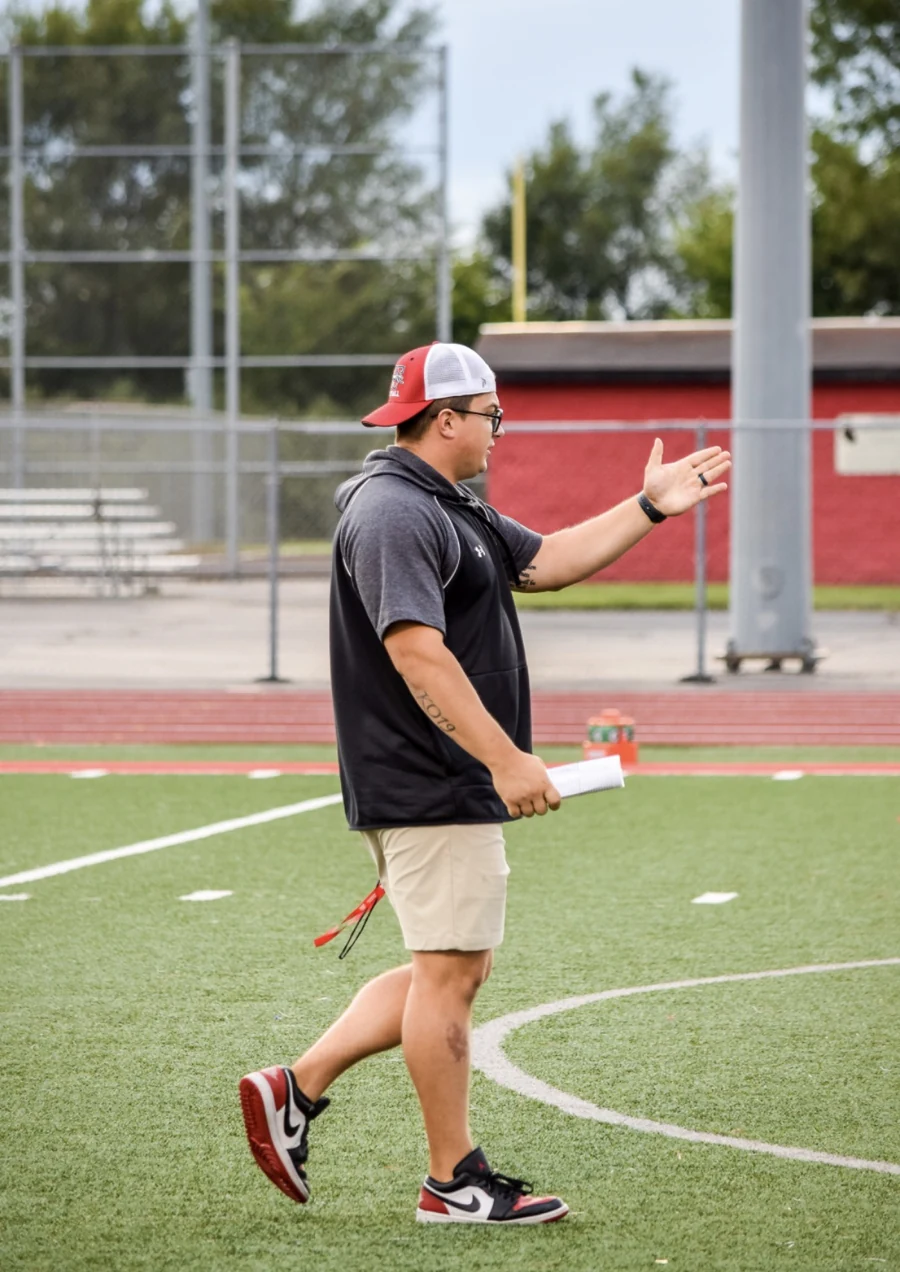
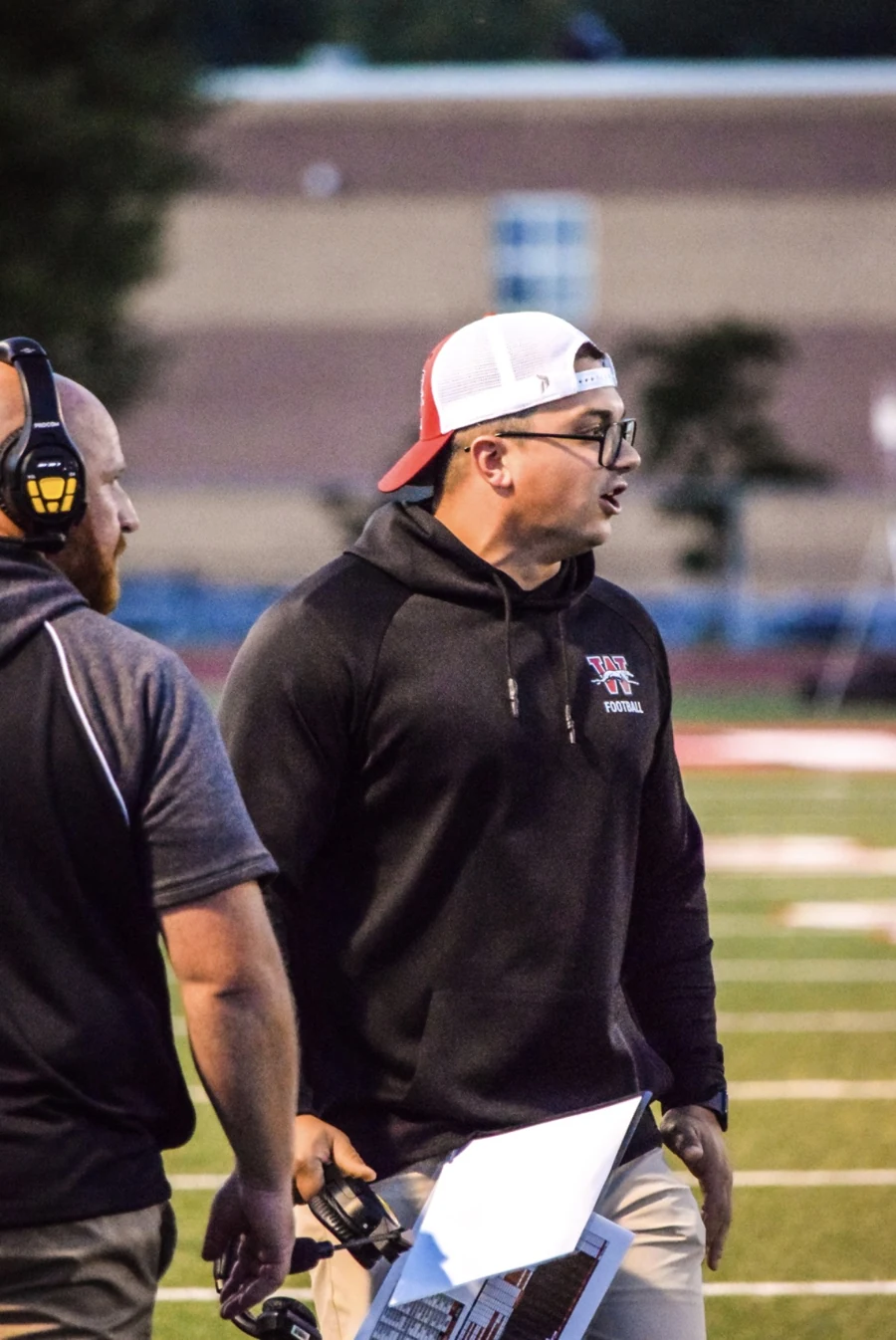
My experience spans high school and college football, as both a player and a coach. I’ve worked on defense, special teams, and now with tight ends. Across those roles, the question stays the same: how can I help a player understand his job and prepare him to do it when the game demands it?
CURRENT
Tight Ends Coach
Teaching the responsibilities and skills of the tight end position at the college level.
PREVIOUS THREE SEASONS
Head Football Coach
Served as head coach for three seasons before joining Wisconsin Lutheran College.
THREE SEASONS BEFORE WHITEWATER
Defensive Coordinator / Special Teams Coordinator
Served as defensive coordinator before moving to the special teams coordinator role in my third season on staff.
SCIENCE & EDUCATION
My science background shapes the questions I ask. My education background shapes how I teach. I want players to understand why a skill matters, recognize when to use it, and learn how to evaluate their own progress.
Minor in Mathematics
STEM emphasis
MY COACHING PHILOSOPHY
Better Players · Stronger Minds · Brighter Tomorrows. That is the purpose behind my coaching and teaching. The next rep matters, and so does the person taking it.
Develop the skills that show up in the game. Start with the player’s responsibility, then teach the reads, technique, and decisions that responsibility requires. Give each drill a purpose, make feedback specific, and help players understand how their work in practice connects to Friday night. Progress means knowing what to do, why it matters, and how to keep improving.
Teach players to think, learn, and respond. I want athletes who ask questions, study their decisions, and take ownership of their preparation. Confidence grows through purposeful work and honest feedback. Resilience means learning to respond to a mistake, refocus on the next task, and stay engaged when the work becomes difficult. Those habits belong in the classroom as much as they do on the field.
Use football to prepare people for what comes next. Accountability, curiosity, and care for teammates should remain valuable long after a player’s final snap. I want the standards we teach to help young people contribute to a team, follow through on commitments, and approach new challenges with confidence. Success includes the opportunities and choices they are prepared for beyond the season.
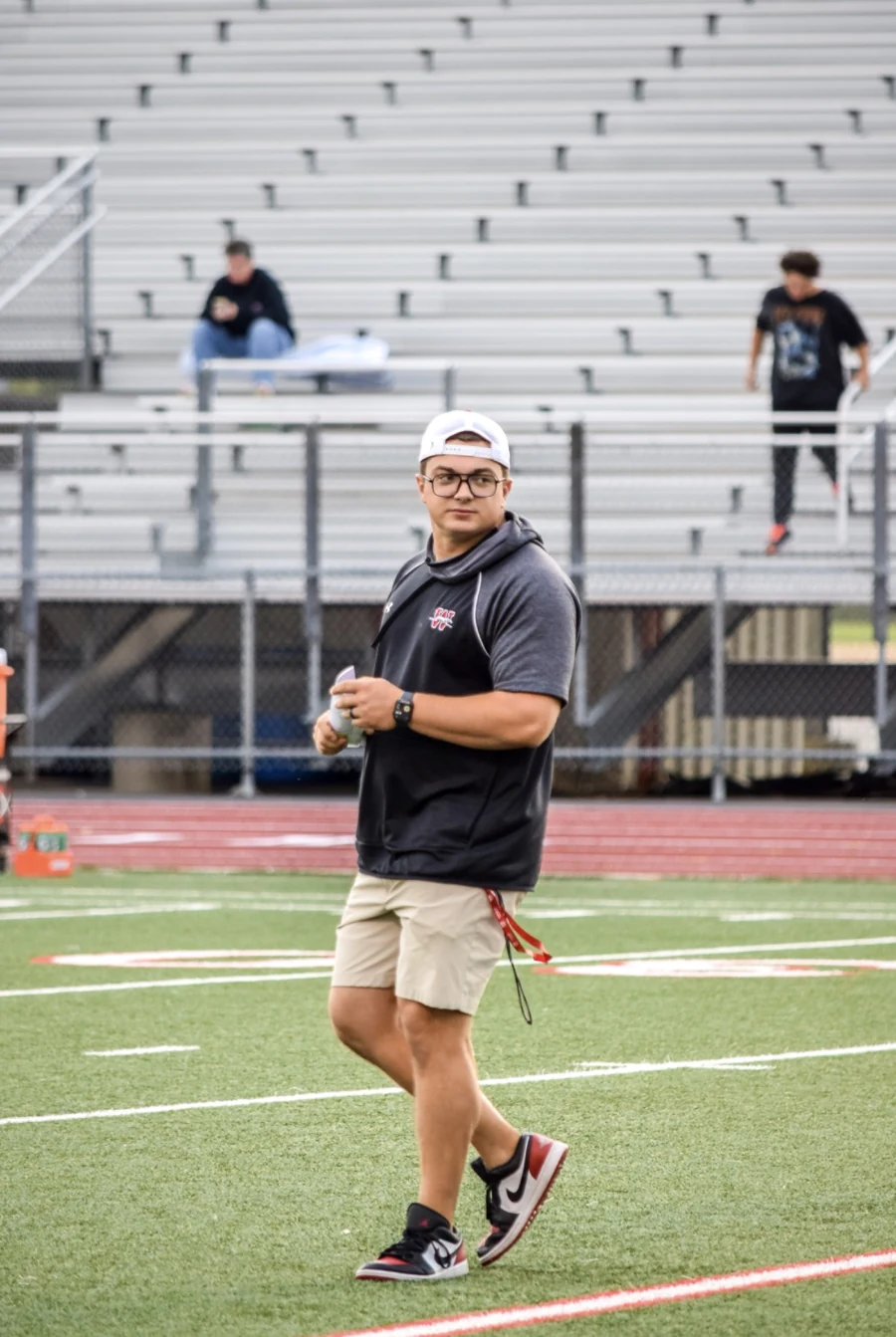
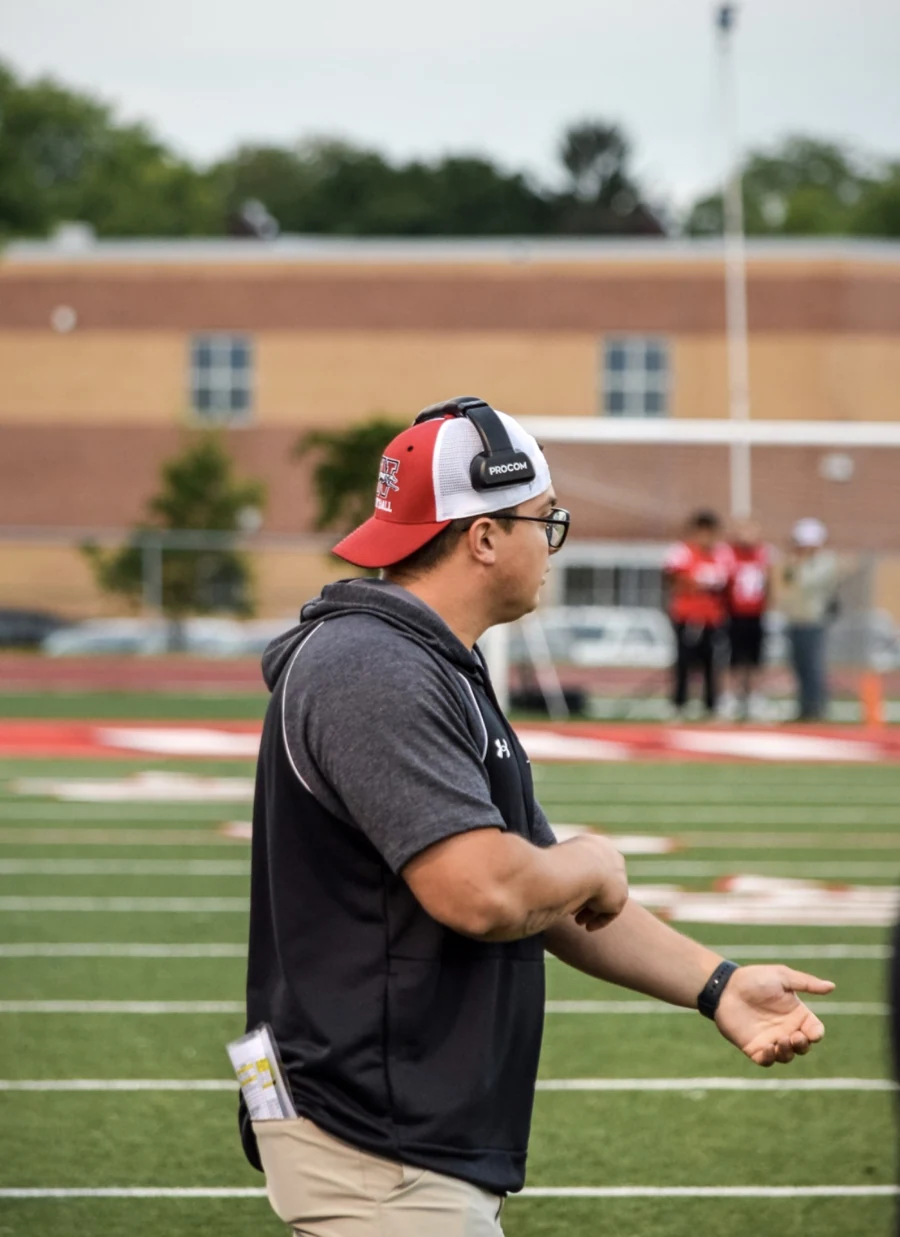
ON THE FIELD
WHY SIDELINE SCIENCE
I created Sideline Science to connect sports science with the practical questions coaches, athletes, and parents face. The newsletter explores what the evidence says and where its limits are. The coaching ebooks turn teaching ideas into resources you can use in your own program. My goal is to make that connection clear enough to help with your next practice, film session, or conversation.